
Ballarini Professionale Series 3000 Carbon Steel Fry Pan
Our Professionale Series 3000 brings French-style carbon steel construction to home kitchens that demand restaurant performance. This fry pan pairs the heat retention of cast iron with a lighter profile and faster response time, so you can move quickly between searing, sautéing, and finishing at the stove.
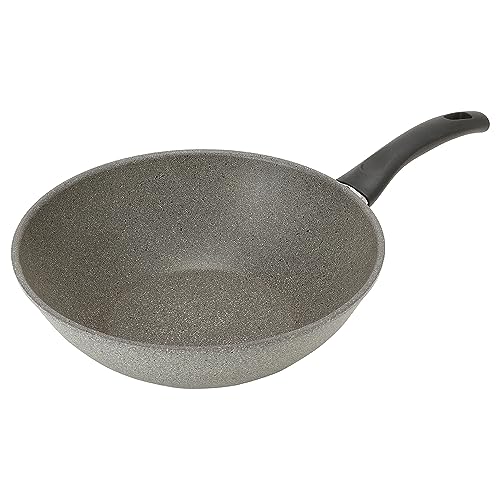


The 2.5 mm carbon steel body responds to temperature changes faster than cast iron while still holding enough heat to sear proteins without losing momentum when cold ingredients hit the surface. This balance makes the Professionale 3000 ideal for dishes that require quick adjustments—stir-fries, pan sauces, and delicate fish all benefit from steel's thermal agility.
Pre-seasoned surface & patina development
Every Professionale 3000 ships with a factory seasoning layer applied at high temperature, so you can start cooking immediately. The initial coating protects the steel during shipping and provides a base for your own seasoning to build on. After a few meals, you’ll notice the surface darkening as fats polymerize into a smooth, bronze-black finish.
This patina isn’t cosmetic—it’s a functional non-stick layer that improves release with every use. Eggs that stuck during the first week will slide freely by month two. The same steel durability that allows the pan to handle metal utensils and aggressive scrubbing also means the seasoning can be stripped and rebuilt if needed, giving the cookware a true lifetime lifespan.
Handle design & stovetop ergonomics
The riveted handle extends 8.5 inches from the pan body at a shallow angle that keeps your hand farther from the heat source during stovetop cooking. We shaped the grip with a slight taper and rounded edges so it sits comfortably in your palm whether you’re holding the pan stationary or tossing ingredients.
Carbon steel conducts heat, so the handle will warm during extended cooking. For most stovetop tasks under 15 minutes, the handle stays cool enough to grip bare-handed. When working at high heat or transferring the pan in and out of the oven, a dry towel or silicone handle cover provides the safest grip.
What makes this pan different
More carbon steel & specialty frying pans from Ballarini


Customer reviews


Your questions about the Professionale 3000 answered
Your Professionale 3000 arrives pre-seasoned, so you can start cooking right away. To build on the factory layer, heat the pan over medium-high until it just begins to smoke, add a tablespoon of high-smoke-point oil like grapeseed or avocado, and swirl to coat the entire surface. Let it smoke for one minute, then wipe out the excess with a paper towel. Repeat this process two or three times before your first cook. After each use, wipe the warm pan clean and rub a thin layer of oil into the surface to accelerate patina development.
Modern dish soap won’t strip a well-developed seasoning layer. For routine cleaning, hot water and a stiff brush are usually enough. If you encounter stuck-on food, a small amount of soap and gentle scrubbing is fine. The key is to dry the pan thoroughly over low heat immediately after washing and apply a light coat of oil while it’s still warm. Avoid soaking the pan in water for extended periods, as this can lead to surface rust.
Carbon steel and cast iron share similar heat retention and seasoning properties, but carbon steel is lighter, responds to temperature changes faster, and has a smoother surface that develops a slicker patina. Cast iron excels at slow, steady heat and oven cooking, while carbon steel’s agility makes it better for tasks that require quick adjustments like stir-frying or deglazing. The Professionale 3000 weighs about 40 percent less than a comparable cast iron skillet, so it’s easier to maneuver on the stovetop.
Yes, the Professionale 3000 works on induction. The magnetic carbon steel base delivers fast, even heating without hot spots. Induction users should start at medium heat and increase gradually, as induction transfers energy very efficiently and can overheat carbon steel if you start at the highest setting.
Light surface rust is common if the pan isn’t dried thoroughly after washing. Scrub the affected area with a paste of coarse salt and oil, rinse, and dry completely over low heat. For heavier rust, use fine steel wool or a scouring pad to remove all oxidation, then re-season the pan by heating it with a thin layer of oil until it smokes. Repeat the seasoning process two or three times to restore the protective patina.
You can cook acidic foods in carbon steel, but prolonged contact will strip some seasoning and can impart a metallic taste. For quick sautés with tomatoes or deglazing with wine, the pan handles it fine. For simmering tomato sauce or other long-cooked acidic dishes, a stainless steel or enameled pan is a better choice. After cooking acidic foods, rinse the pan, dry it thoroughly, and add a fresh layer of seasoning oil.
The 10-inch model works well for one or two servings and fits easily on smaller burners. The 12-inch handles family-size portions and is ideal if you frequently cook for three or more people or like to batch-cook proteins. Both sizes share the same construction and performance characteristics, so your choice depends primarily on portion size and stovetop space.